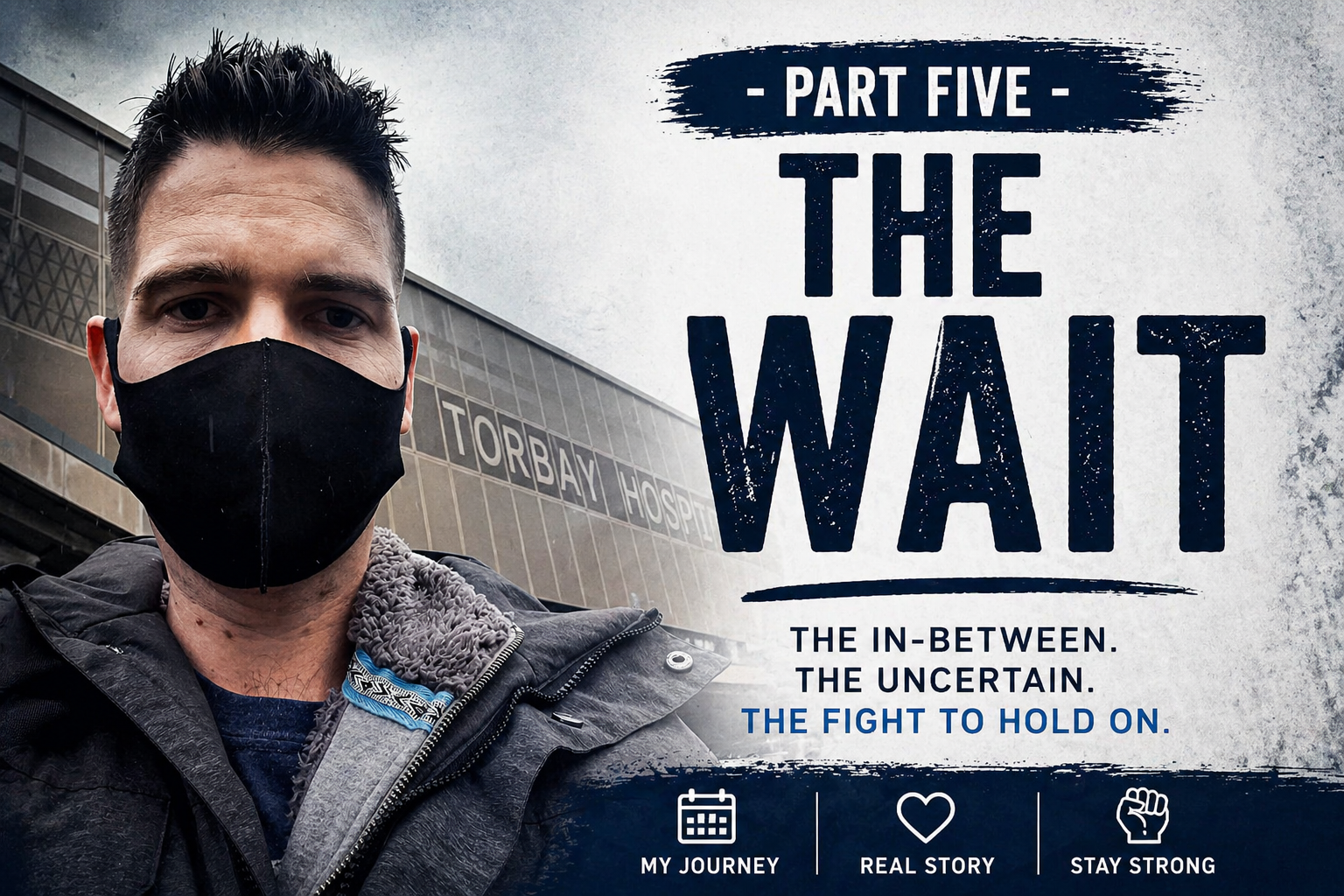
Once stoma surgery was booked, ulcerative colitis stopped being something I was only trying to manage and became something I was preparing to leave behind. My colon was going to be removed, I was going to have an ileostomy, and suddenly everything felt real. This part of my story covers the final wait before surgery — pre-assessment, Covid rules, steroid tapering, stoma nurses, practice bags, Christmas, accidents, family emotions, and the night before everything changed.
For anyone preparing for stoma surgery with ulcerative colitis, the waiting can feel just as difficult as the operation itself. You are trying to understand what will happen to your body, what life with an ileostomy might feel like, what recovery could look like, and how to keep your head steady while everything around you carries on as normal.
This follows on from Part Four, where my ulcerative colitis flare after remission led to hospital treatment and surgery becoming the only way forward.
PART FIVE – THE WAIT
Waiting for Stoma Surgery After Ulcerative Colitis
Chapter 26: The Countdown Begins
Once surgery was agreed, everything changed in the house, even though nothing looked different from the outside.
There wasn’t some huge dramatic moment where life suddenly stopped. The washing still needed doing. The kids still needed parenting. Christmas was still coming. The dog still needed walking. Meals still had to be made, presents still had to be sorted, and everyone was still trying to carry on as normally as possible. But underneath all of that, there was this quiet countdown ticking away.
The conversation had moved from if to when.
For years, surgery had been the thing at the end of the road. It was the last resort, the thing mentioned in hospital rooms when drugs failed or symptoms became too much. It was always there in the background, but it still felt slightly distant. Something that might happen one day, but not quite yet.
Now it was real.
My colon was going to be removed, and I was going to have a stoma.
Looking back, this was the moment my wider ulcerative colitis to stoma journey stopped being something I was writing about and became something I had to physically live through.
There was no more waiting to see if one more drug could pull me back. No more hoping a flare would settle. No more trying to convince myself I could keep pushing through if I just held on a little longer. My own immune system had caused too much damage, and no medication could reverse what had happened.
The surgery was booked for ten days’ time.
Because it was Christmas week, I was allowed to go home and spend the festive period with my family, as long as things didn’t get worse and I didn’t need emergency surgery before then. That is a strange thing to be told. Go home. Enjoy Christmas. Make memories. But also prepare yourself to come back and have an organ removed.
I don’t think you can ever fully prepare for that. You can read the leaflets, ask the questions, meet the nurses, talk about the operation, and tell everyone you are okay. But there is still a part of you that stands on the edge of it all thinking, “How do I actually get my head around this?”
I was beginning to come to terms with the fact that I was having one of my organs removed, but I don’t think I was ever going to be mentally prepared in a neat and tidy way. At some point, I was just going to have to take a deep breath, step out of my comfort zone, and go through the looking glass.
The anxiety wasn’t just mine either. Emotions were starting to run high in the house, even when nobody said it directly. Everyone was dealing with it in their own way. You could feel it sitting underneath normal conversations, Christmas plans, cups of tea, wrapping paper, and all the usual family noise.
Did that mean Christmas 2020 was ruined? Absolutely not.
If anything, I became more determined that it wasn’t going to be. I wanted the kids to have Christmas. I wanted us to make the most of it. I wanted memories that weren’t only about hospitals, illness, and surgery. I didn’t want ulcerative colitis taking that as well.
Around the same time, I had been working hard to get the blog up and running. Partly, it was for my own coping mechanism. I needed somewhere to put everything that was happening in my head. The fear, the questions, the practical side, the emotional side, and all the things that are hard to explain properly out loud.
But I also hoped that if someone else ever found themselves in the same position, they might read it and feel a little less alone. That mattered to me. I knew how isolating bowel disease could feel, especially when you’re dealing with symptoms people don’t talk about openly. If sharing the messy, honest version helped even one person, then it was worth doing.
Getting the blog set up wasn’t as straightforward as I thought it would be. I gave the design a good crack, although I could see all the little imperfections, which was probably my OCD kicking in. But it didn’t need to be perfect. It just needed to exist. I needed somewhere to document what was about to happen.
I also decided I needed to feel like myself before surgery.
So that day’s theme became: to feel fresh again.
I finally got my hair cut by Gareth at Scallywags. Clean cut. Shaven. More like me. It might sound like a small thing, but when your body feels like it is falling apart and a major operation is waiting for you, the small things become important. Looking in the mirror and seeing a version of yourself you recognise can give you something to hold onto.
I remember wondering how long it would be after surgery before I felt fresh again. How long before I looked like myself? How long before I felt like myself? How long before this huge change stopped feeling like something happening to me and started feeling like part of my life?
I didn’t know the answers.
All I knew was that the countdown had started, and I needed to keep my head as steady as I could.
Pre-Assessment Before Stoma Surgery
Chapter 27: Pre-Assessment Day
The next big step was pre-assessment at Torbay Hospital.
It was the furthest I had driven in over a week and the longest I had been out of the house since being admitted. When you are living with severe urgency, pain, and constant symptoms, even a hospital appointment becomes something that needs planning. You don’t just get in the car and go. You think about toilets, timing, traffic, how your stomach feels, and what might happen if your body decides it has other plans.
To make things even more interesting, I was tapering off Prednisolone quickly ready for surgery, which meant the colitis was starting to unmask itself again. The steroids had been holding certain symptoms back, and as they reduced, the disease started reminding me exactly why surgery was happening in the first place.
By the time I got to the hospital, I had already needed two toilet stops.
Then came the joy of trying to find where I actually needed to go. I remember walking through the winding corridors, confused by signs that seemed to suggest Level 7 existed but somehow didn’t give access to pre-assessment. I went up and down the wrong stairs, trying to make sense of where I was meant to be, while my stomach started to burn.
All I could think was, “Really? Why couldn’t this have happened ten minutes ago?”
Eventually, I found the elevator that took me to pre-assessment. The doors opened, and thankfully the reception desk was straight ahead. The ladies behind the counter greeted me, and the only thing I could get out was, “Do you have any toilets around here?”
They did have toilets, but because of Covid, I had to wait while they took my details and temperature first. That was one of those moments where the rules made sense, but your body absolutely did not care. I remember thinking, “Great. Thanks, Covid. Delaying the inevitable once again.”
My temperature was 36.4, and I was finally pointed in the right direction. Thankfully, I made it in time.
After that, I sat in the waiting area with my thoughts racing. What was about to happen? What would they ask? What would they tell me? Was this appointment going to make everything feel more real than it already did?
Part of me even imagined asking someone to take photos for the blog, like I could somehow turn the appointment into a documented milestone. In reality, I knew I probably wouldn’t. Some moments disappear too quickly, and others feel too strange to interrupt.
I was taken into a room where they checked my height, weight, and blood pressure. I have found those observation machines can be temperamental at the best of times, and this one seemed determined to prove that point. It took multiple attempts, which is exactly what you want when you’re already anxious and trying to get through a hospital appointment without your body kicking off again.
Then came the MRSA swabs.
The first part was a bit like a Covid test. One swab around the mouth, one up both nostrils, and then the lady left the room so I could do the third one along my groin on my pant line. By that point, I was learning that pre-surgery preparation comes with a lot of small indignities that nobody exactly advertises.
Next, I went into another room and met Jane.
She went through all the questions about previous medical conditions and talked me through what would happen on the day of surgery. She also confirmed something I knew was probably coming, but still didn’t want to hear.
Because of Covid, I wouldn’t be allowed visitors.
That hit hard.
Having major surgery is frightening enough. Having it during a pandemic, knowing your family won’t be able to come and sit by your bed afterwards, adds a completely different weight to it. It meant I would be going through the immediate aftermath largely on my own, surrounded by hospital staff and other patients, but without the familiar faces I needed most.
Jane also talked me through the medicines I would need before the operation, gave me an information pack, and explained that how long I stayed in hospital would depend partly on how quickly I picked up using my new stoma.
My new stoma.
Even that phrase felt strange.
That evening, I had my first little practice with the stoma kit. The stoma nurse at Torbay had given me a pack with a fake stoma, some stoma bags, and a guide on what to expect. I’m not going to lie, it was weird. There is no other word for it.
That first practice bag was only a small preview of what adjusting to life with a stoma would eventually involve.
Having this red thing attached to my stomach, even as practice, felt bizarre. The bag felt peculiar stuck to my skin with the adhesive. I kept wondering what the real thing would feel like. Would it feel heavy? Would I constantly notice it? Would it pull on my skin? Would I feel like something was hanging from me all the time?
I didn’t know.
What I did know was that I was going to have to get used to it, because there wasn’t really a choice anymore. This wasn’t an optional bit of kit. This was about to become part of how my body worked.
That night, the reality of it all sat with me properly.
The appointment was done. The instructions were given. The practice bag had been tried. The countdown was still moving.
And surgery no longer felt like something in the distance.
Family, Fear and Accepting Stoma Surgery
Chapter 28: Happy Birthday to Me
Christmas Eve was also my birthday.
The big 33.
I was rudely awoken by the cat meowing at about 5:30 in the morning, which wasn’t exactly the grand birthday entrance I might have hoped for. Then I spent the next half an hour bleeding in the bathroom, because ulcerative colitis clearly didn’t care that it was my birthday.
But I wasn’t letting it ruin the day.
Not that day.
It was Christmas Eve, it was my birthday, and for once the disease and the operation could do one. I know that sounds blunt, but that was genuinely how I felt. I had given so much of my time, energy, body, and mental space to this illness. I didn’t want it owning that day as well.
When I came back into the bedroom, I was showered with gifts from my beautiful fiancée, my son, and my youngest daughter. In that moment, I can honestly say I was happy. Not pretending to be happy. Not putting on a smile so people didn’t worry. Actually happy.
That mattered more than I can explain.
When you are seriously unwell, happiness can sometimes become something you perform for other people. You smile because you don’t want the room to feel heavy. You joke because it makes everyone else more comfortable. You say you’re fine because explaining the truth is exhausting. But that morning, surrounded by my family, I felt something real and warm cut through all the fear.
The children made that day what it was.
Being a parent is an amazing thing. That unconditional love is just there, set in stone. Being a step-parent is different. It comes with its own challenges, its own place to find, and its own quiet questions about where you fit. I had been a stepdad to my three older girls for nearly a decade. They had always called me Chris because their dad was still around, so there had always been that natural split in the father figure role.
But I had tried my best.
That birthday, they spoilt me rotten. Not with expensive presents or anything over the top, but with words. And those words had me in floods of tears.
I don’t think they realised how much I needed that before surgery. With everything coming the following week, I needed to feel grounded. I needed to feel loved. I needed to know that the people I had helped raise knew what they meant to me, and maybe that I meant something to them too.
That day gave me a kind of peace I didn’t know I needed.
I looked at my family and felt unity. My tribe. That might sound dramatic, but that is what it felt like. They were my people. The ones I was doing all of this for as much as myself. The ones I wanted to come home to. The ones I wanted a better life with once the illness was no longer controlling everything.
The day was still painful. The dizziness from tapering the steroids was annoying, and my body was still very clearly unwell. None of that magically disappeared because it was my birthday. But emotionally, I felt stronger.
People had started asking whether the bag would be forever. Would I get it reversed one day? Would I want things put back to how they were?
At that point, my quality of life had been so bad that appearance wasn’t the thing leading my thoughts. I knew reversal might be an option for some people, but I also knew it could mean going back to the toilet many times a day. In my eyes, that sounded like being back at square one.
I didn’t want to go back to living around symptoms, panic, accidents, protective underwear, rescue packs, and fear. I didn’t want my life to keep being measured by where the nearest toilet was. I wanted freedom, even if that freedom came in a form I never expected.
So by that point, I think I was at peace with the transformation.
Or at least, as much as anyone can be at peace with something before it actually happens.
Christmas Before Ulcerative Colitis Surgery
Chapter 29: Merry Christmas, Ya Filthy Animal
Christmas Day itself came and went in the strange way Christmas sometimes does when something huge is hanging over you.
I actually wrote about it on Boxing Day because I needed to disconnect from everything for a bit. I didn’t want to spend Christmas obsessing over surgery, the blog, or what I was going to write. I wanted to enjoy the day with my family, even though truthfully, I don’t think it was possible to fully put the operation out of my mind.
Our Christmas started at 2:30 in the morning because my very excited youngest daughter misread the two on her Lego Superman alarm clock as a five. Classic Christmas chaos. Thankfully, she went back down until six, then woke the others up, and the stockings and presents began.
For a while, it was just Christmas.
There was wrapping paper everywhere, excited children, noise, presents, food, and all the little moments that make the stress of Christmas worth it. I tried to stay present in it, because I knew things were about to change. I knew this was the last Christmas before surgery, before the stoma, before my body became different forever.
But colitis still found a way to give me a Christmas present of its own.
Because I was coming off Prednisolone ready for surgery, the symptoms it had been holding back were starting to rear their ugly heads again. Blood, mucus, urgency, pain. All the things I was desperate to leave behind were making one final appearance.
Me and my fiancée decided we should get the dog walked as early as possible, so we took him over to the Botanical Gardens in Shaldon. We drove across the bridge, and then I got the feeling.
Not just a normal “I need the toilet” feeling.
The horrible one.
The stabbing pain that started on my right side and moved across to the left. The kind of pain that tells you something is moving through, and your body is giving you very little warning. At that stage, it could have been mucus, blood, stool, or all of the above. The only thing I knew was that I needed a toilet quickly.
Luckily, there was a disabled toilet on route, so I parked nearby. Then I saw the queue. A socially distanced queue of about six people waiting, because all the normal toilets were closed.
There was no time.
I jumped back in the car and carried on to where we were going, hoping there would be somewhere quiet enough for me to sort myself out. I was trying to stay calm, but that kind of urgency doesn’t leave much room for calm. Your brain goes into emergency mode. You’re scanning for options, planning exits, calculating seconds, and hoping your body gives you just a tiny bit more time.
It didn’t.
The accident happened.
I don’t know whether you have ever been in that situation, but I have been in it many times, and I can tell you it does not get easier. It makes you feel humiliated, filthy, ashamed, and exposed, even when nobody else knows what has happened. Even when you understand logically that you are ill. Even when you know it isn’t your fault. Emotionally, it still hits you hard.
I grabbed my rescue pack and dealt with it as best I could. That pack had become part of my life by then: protective underwear, spare underwear, wet wipes, dog poo bags, anything that meant I could clean myself up and not leave anything unsanitary behind. It wasn’t glamorous, but it was necessary.
I caught up with my fiancée and the dog because I wanted to make sure I at least got five minutes of exercise before going home. It was Christmas Day, and it was busy. Families were everywhere. I remember speeding past people, convinced they would somehow know what had happened, even though realistically they probably had no idea.
That is what this disease does to your head.
It makes you feel visible in the worst possible way, even when nobody is looking. It makes you feel ashamed of something you didn’t choose. It takes an ordinary moment, like walking the dog on Christmas Day, and turns it into something you have to recover from.
That day was the first time in a long time that I properly felt sick. I knew I was clinically poorly, but this was different. I felt like other people could look at me and see a poorly man. I felt the sadness of it, not just the symptoms.
By then, the waiting felt long. I wasn’t dreading surgery in the same way anymore. I was willing it to happen. I wanted no symptoms, no drugs, no accidents, no more Christmas Day moments ruined by a colon that had already taken enough from me.
Three days to go.
The Night Before Colon Removal Surgery
Chapter 30: Zero Hour
The next day was Covid swabbing day.
Anyone who hadn’t had a Covid test at that point might have imagined it was worse than it was. It wasn’t pleasant, but it wasn’t something to be afraid of either. I parked in a bay at Newton Abbot Racecourse, they swabbed my throat, then up my nostril, and it was done within about five minutes.
In and out.
I just needed it to come back negative, because by then the thought of anything delaying surgery was almost unbearable.
That same day was also the first day I was completely off steroids, and my body noticed quickly. The pain became unbearable. It wasn’t just my usual symptoms anymore. They were now joined by this excruciating stomach pain that wouldn’t go away and became worse when I ate.
I assumed it was something to do with coming off Prednisolone, but whatever it was, it felt like my body was having one final protest before surgery. It was as if my colon knew its time was up and wanted one last go at making life difficult.
We took Christmas down that day as well. That might sound like a small thing, but it felt practical and necessary. I didn’t know how mobile I would be after the operation, and I didn’t want to come home to jobs that needed doing. Once the decorations were gone, the house looked massive and clean. A proper squash and a squeeze moment.
But the pain wouldn’t leave me alone.
It kept grinding away in the background, then pushing itself right to the front. I was getting close to the point of calling an ambulance and going into hospital early. That was the reality of where I was. I wasn’t waiting comfortably. I wasn’t calmly counting down the hours. I was in serious pain, trying to make it to the planned surgery date because I knew I was nearly there.
One more full day. That was what I kept telling myself.
One more full day and then we would be at zero hour.
The strange thing about waiting for major surgery is that time feels completely wrong. It moves too fast and too slowly at the same time. Part of you wants more time because you know life is about to change forever. Another part of you wants the clock to hurry up because you cannot keep living as you are.
That was exactly where I was.
I was scared, of course I was. I don’t think anyone goes into something like that without fear. But I was also ready. Ready for the bleeding to stop. Ready for the accidents to stop. Ready for the drugs to stop. Ready for my life to stop being controlled by a diseased colon that had taken far too much from me already.
The night before surgery wasn’t peaceful. I was in pain, my mind was busy, and my body was exhausted. Everything felt heavy. I thought about my family, my fiancée, the children, the years of illness, the hospital rooms, the drugs, the false starts, and all the times I had hoped something would work only to end up back in the same place again.
I also thought about the version of me who had first ignored those symptoms all those years earlier. The 26-year-old bloke who thought it might just go away. Now here I was, days after my 33rd birthday, preparing to have my colon removed.
That is a lot to take in.
But underneath all of it, there was one clear thought.
I couldn’t keep living the way I had been living.
So if this was the way out, then I had to take it.
Zero hour was coming, and this time I wasn’t running from it.
Letting Go Before Life With a Stoma
Chapter 31: Letting Go
Surgery day arrived.
I woke up feeling determined but anxious, which is probably the only honest way to describe it. I knew this operation needed to happen. I knew my quality of life had become almost non-existent. I knew I couldn’t carry on with the bleeding, urgency, accidents, pain, rescue packs, and the constant fear of what my body might do next.
But knowing something is right doesn’t automatically make it easy.
The previous 24 hours hadn’t exactly helped. I had spent the day drinking the pre-surgery drinks, but then spent the night throwing them back up. Not the ideal preparation when you are already weak, in pain, and about to have major surgery.
I was still in agony. The pain that had been building since coming off the steroids was still there, grinding away in my stomach. Part of me kept thinking that hopefully this would go once I had the ileostomy. Hopefully this was the final stretch. Hopefully, when I woke up, this diseased part of me would no longer be controlling everything.
We arrived at the hospital, and I made my way through the familiar winding corridors towards the surgical admissions room I had been in before. There is something strange about walking into hospital knowing you won’t be walking out the same.
I had been in hospital plenty of times by then. Appointments, scopes, infusions, admissions, blood tests, waiting rooms. But this felt different. This wasn’t another attempt to calm things down. This wasn’t another drug, another scan, or another “let’s see how you go.” This was the line.
When I got to surgical admissions, they took my temperature.
It came up as 37.8.
The ladies behind the desk started to panic slightly because it was high, and immediately my brain started doing what brains do in moments like that. Was it nerves? Was it the illness? Was it because I was wrapped up in my fleecy hoodie? Was it Covid?
Surely it couldn’t be Covid. I had been so careful since my test. I had shielded myself as much as possible because I needed this operation to happen. At that point, life felt non-existent without it.
I remember stripping layers off and almost pleading with them that maybe I was just too wrapped up. They took it again. It was still high, but within the allowed parameters, and I was allowed through. That felt like the first hurdle of the day.
From there, I was taken to a room where I changed into a gown and put on the surgical stockings. I answered questions, confirmed my details, confirmed what was happening, and waited.
That is the odd thing about surgery day. For something so huge, there is a lot of waiting. You are mentally standing on the edge of the biggest moment of your life, but around you everything is routine. Forms, observations, names, wristbands, staff coming in and out. To them, it is a working day. To you, it is the day your life splits into before and after.
The stoma nurse came in and drew a black mark on my belly. She explained that this was where my stoma was going to go. I had talked about it, practised with the fake stoma, seen the bags, and tried to imagine life afterwards, but that black mark made it real in a completely different way. That spot on my stomach was about to become part of me.
Then I met the anaesthetist. He explained how I would go under slowly and joked that if they counted down from ten, they would probably end up at minus twenty. I appreciated the humour, even if my head was too full to fully enjoy it.
Finally, I met the surgeon. He wasn’t worried about the temperature and suspected it was because of the colitis rather than Covid, but they still needed to test me again so that if I did have it, even though I had been shielding, I would recover somewhere different. Another Covid test. Another small reminder that this was surgery during a pandemic, and nothing about it was going to be simple.
Then I waited a little longer.
I don’t know exactly what I thought about in those final moments. Probably everything and nothing all at once. My family. My fiancée. The kids. The years of illness. The accidents. The rescue pack. The drugs. The exams. The jobs. The version of me who had tried so hard to keep going even when my body was falling apart.
Eventually, it was time.
I was taken down to the surgical room and laid on the bed. A cannula was inserted into my hand, and an oxygen mask was placed over my face. The anaesthetist told me they were just filling my lungs with air and to keep taking deep breaths.
So I did.
I breathed in and out, trying to stay calm, knowing there was nothing more for me to do. No more fighting symptoms. No more trying to hold on. No more pretending I could control what my body was doing.
For once, I had to let everyone else take over.
I closed my eyes and handed myself over completely.
The next part of the story was waking up after stoma surgery and beginning to understand what life with an ileostomy actually felt like.
Contact your GP or medical team
This is my personal experience of preparing for stoma surgery after severe ulcerative colitis, including pre-assessment, steroid tapering, Covid testing, stoma nurse support and waiting for colon removal surgery. It is not medical advice.
Surgery, stoma care and recovery are different for everyone, so always speak to your consultant, surgeon, stoma nurse or IBD team about your own treatment, operation and recovery.
You can also read NHS guidance on why an ileostomy may be needed, and Crohn’s & Colitis UK information about surgery options for ulcerative colitis.
Continue the story:
After the waiting came surgery, waking up different, and learning what life with a stoma actually felt like. Read Part Six – Waking Up Different: life immediately after stoma surgery
Some of the links below are affiliate links. This means I may earn a small commission if you buy through them, at no extra cost to you. I only include things that genuinely connect to my own experience.
Things That Helped Me While Waiting for Surgery
By this stage, I wasn’t dealing with early symptoms anymore. I was dealing with waiting for surgery, hospital packing, pre-assessment, family emotions and preparing for the operation.
These are a few practical things that helped me feel slightly more prepared during one of the hardest stages of my UC journey.
Hospital Bag Organiser
When surgery is booked, having your hospital things organised in one place can make the whole process feel slightly less overwhelming.
Why it helped:
✔ Kept important items together instead of scattered everywhere
✔ Made packing for hospital feel more manageable
✔ Helped me feel a bit more prepared when everything else felt uncertain
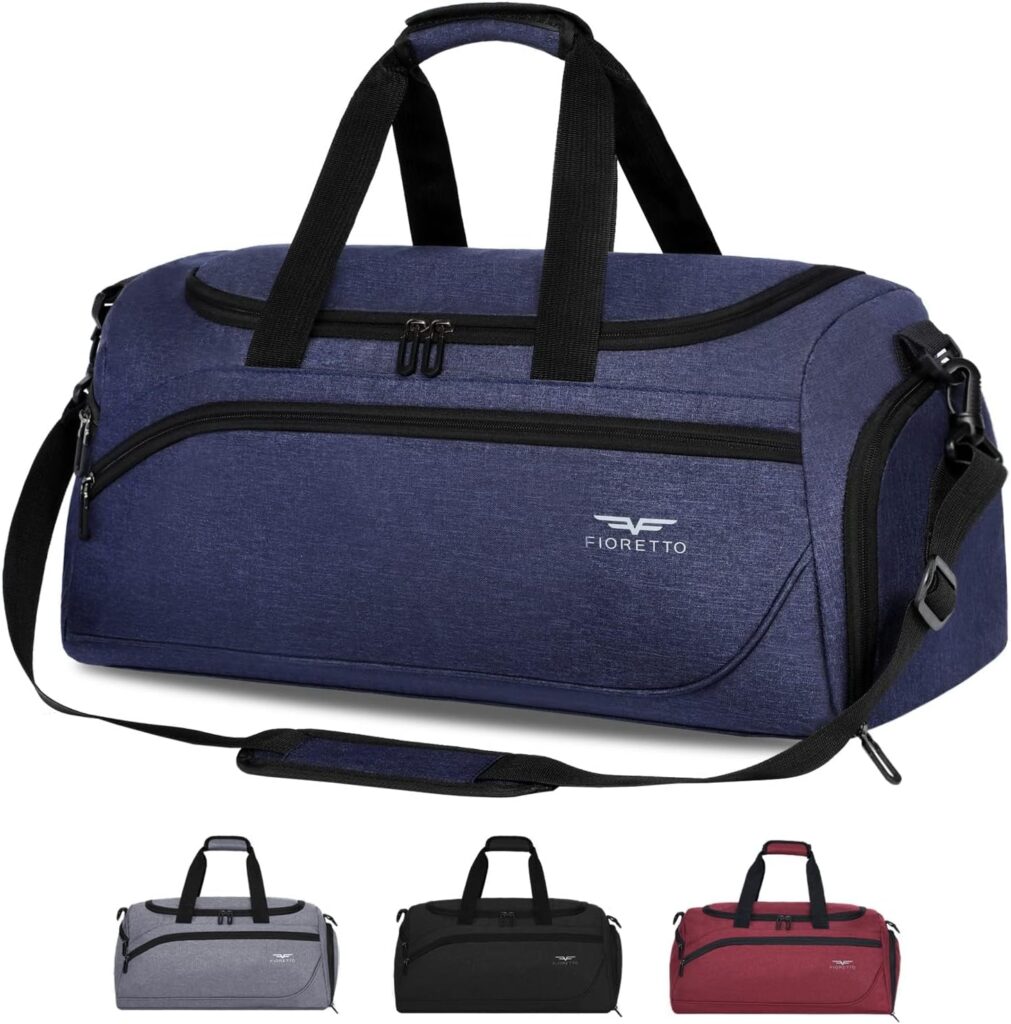
👉 View Hospital Bag Organisers on Amazon
Comfortable Loungewear or Pyjamas
Comfortable clothing matters when your body already feels uncomfortable and you are preparing for hospital, surgery or recovery.
Why it helped:
✔ Softer and easier to wear when bloated, sore or tired
✔ More comfortable for resting, hospital packing or recovery days
✔ Helped me feel a little more human during a difficult stage
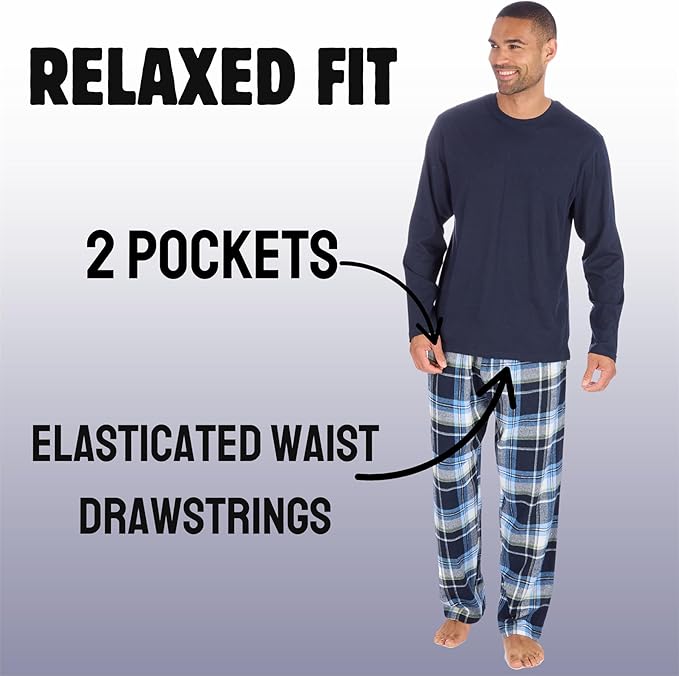
👉 View Comfortable Loungewear on Amazon
🔋 Portable Charger
Hospital waiting rooms, emergency toilet trips, and long appointments meant my phone battery was always dying at the worst times.
Why it helped:
✔ Kept my phone charged for messages, calls and updates with family
✔ Useful during long waits, appointments and hospital stays
✔ Helped me feel less cut off when I was away from home
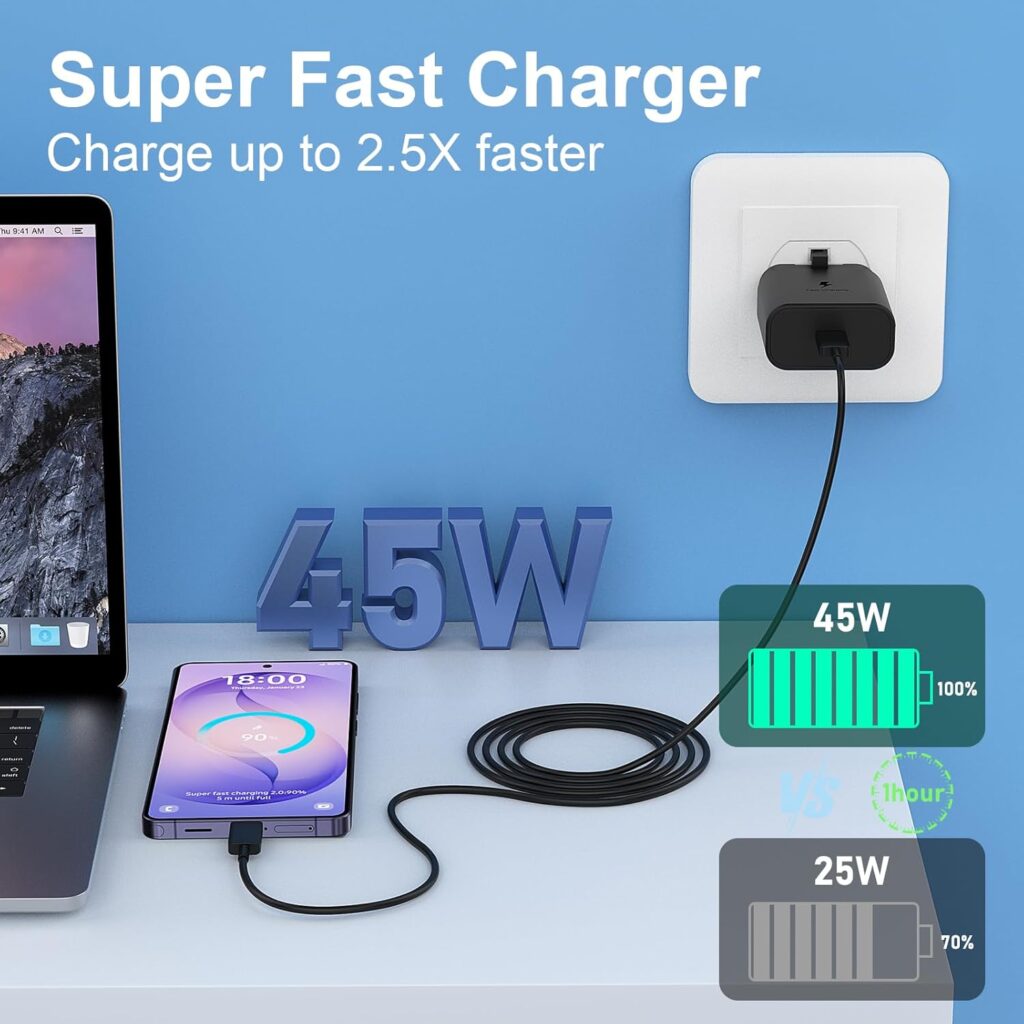
👉 Find Portable Chargers on Amazon
🔥 Hot Water Bottle (Premium)
A hot water bottle or heat pad was one of those small comfort items that helped me feel a little more settled during painful or uncomfortable days before surgery.
Why it helped:
✔ Provided gentle comfort when my stomach felt sore or unsettled
✔ Helped during rest days when I was exhausted and run down
✔ Made home feel a bit more comforting while waiting for surgery

👉View Recommended Premium Hot Water Bottle on Amazon
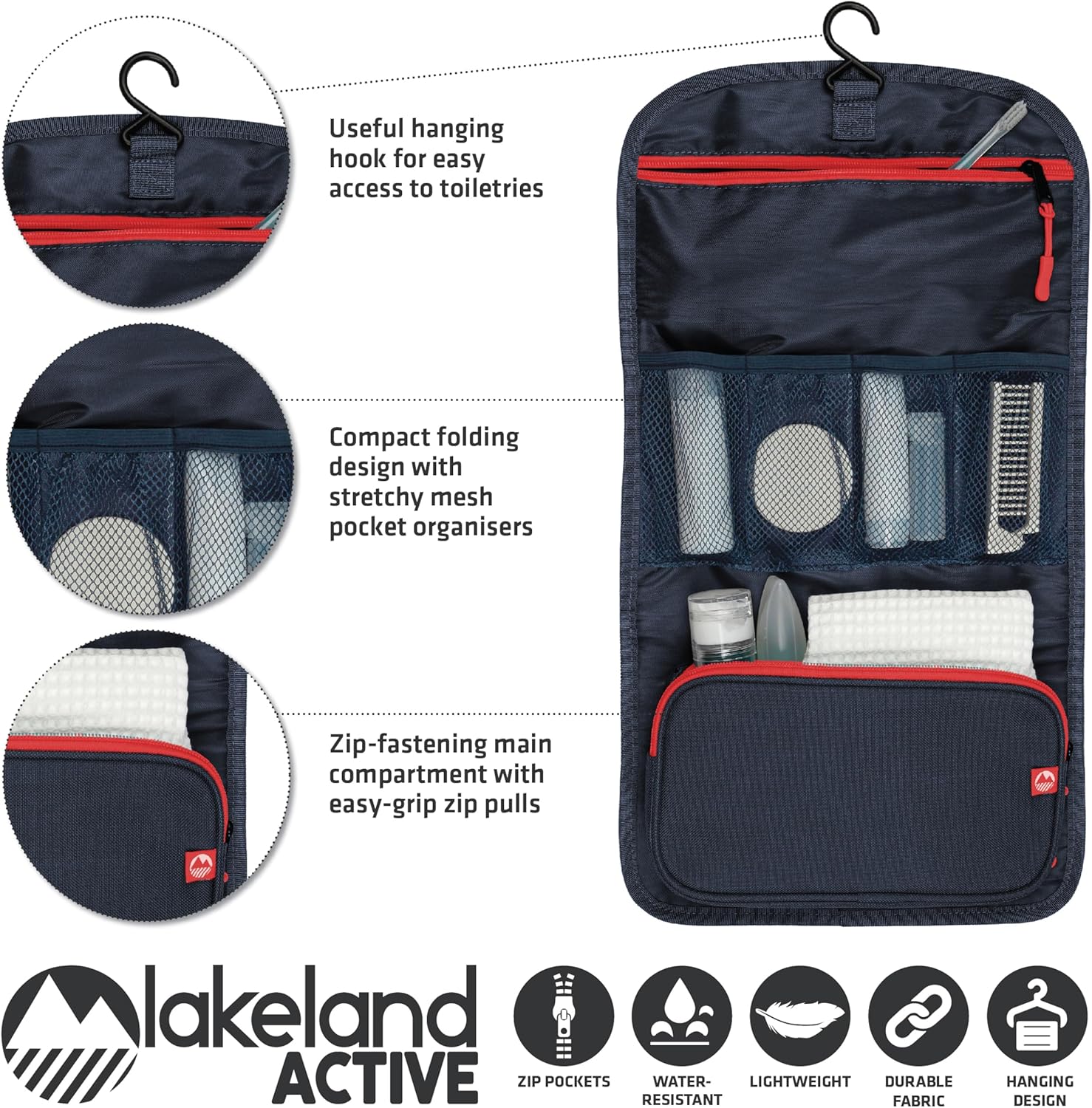
Toiletry Bag for Hospital
A toiletry bag sounds basic, but when you are going into hospital, having your personal items together can make a big difference.
Why it helped:
✔ Kept essentials like toothbrush, deodorant and shower items organised
✔ Made hospital packing quicker and less stressful
✔ Helped me keep a small sense of normal routine while away from home
👉 View Toiletry Bags on Amazon
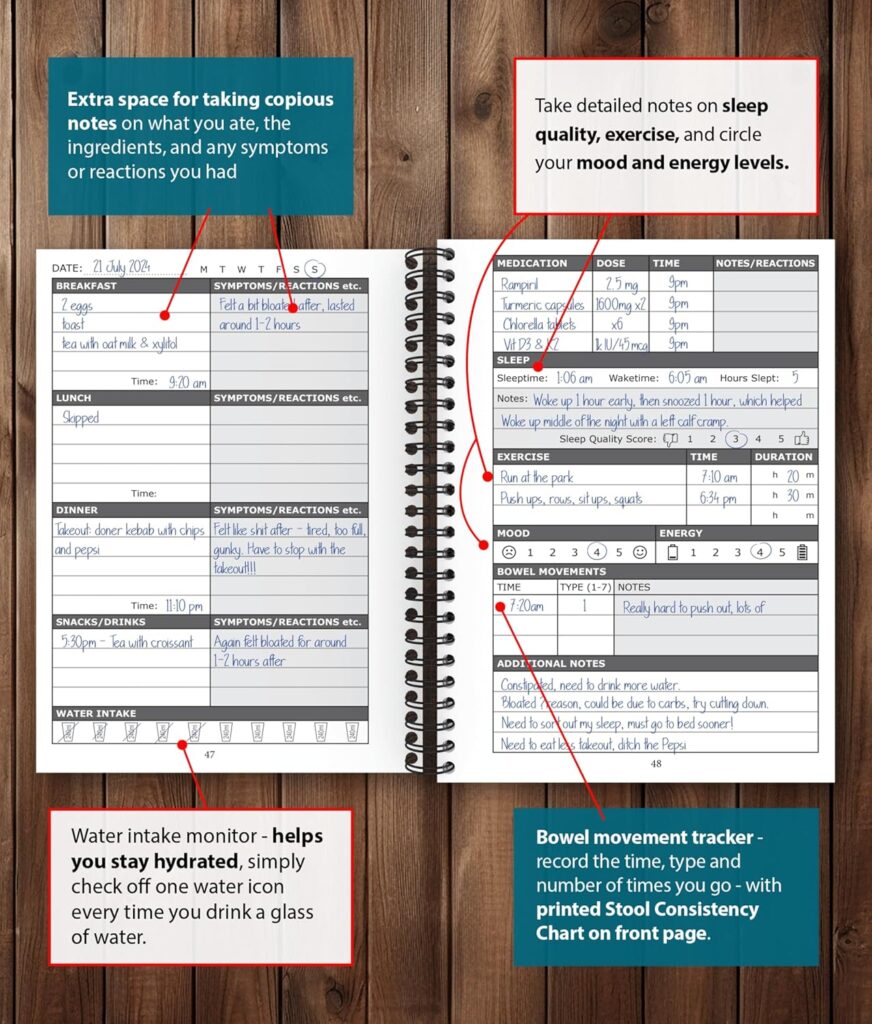
📝Symptom Journal or Surgery Notes Book
A symptom journal or notes book can be really useful when there is a lot to remember and your head feels full of appointments, questions and emotions.
Why it helped:
✔ Gave me somewhere to write symptoms, questions and hospital information
✔ Helped me remember what I wanted to ask doctors or stoma nurses
✔ Made the waiting stage feel slightly more structured and less chaotic
👉Check Symptom Journals on Amazon
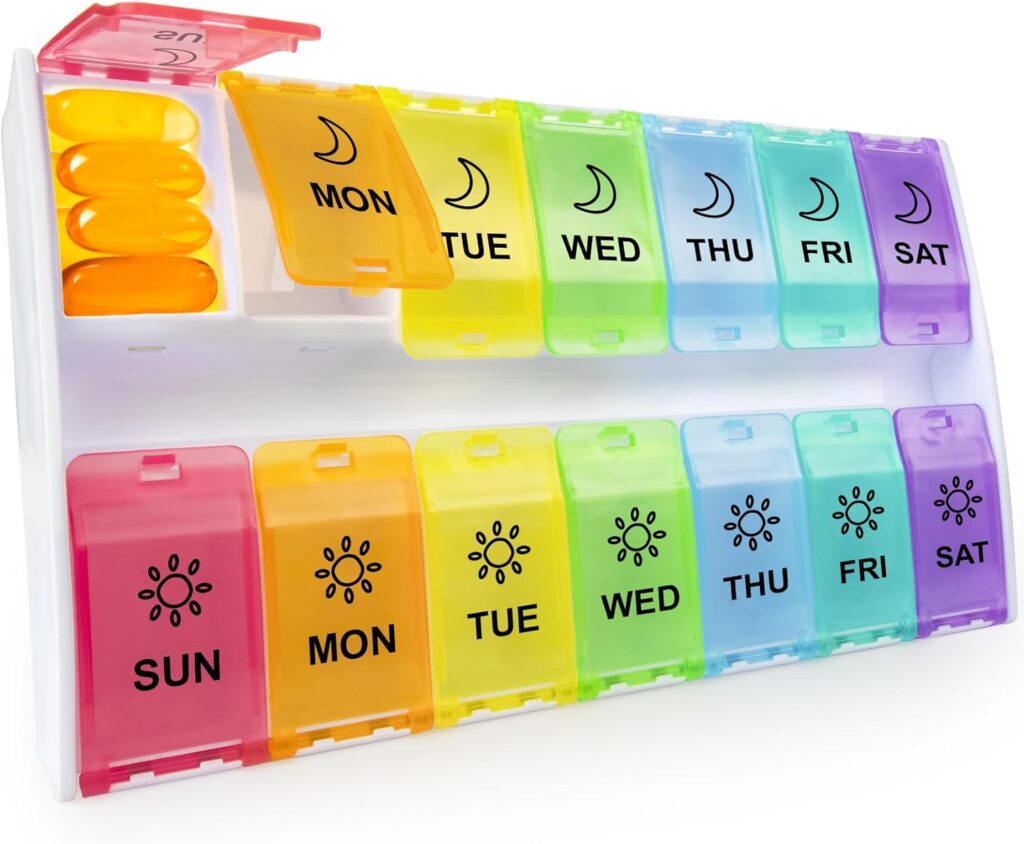
💊 Pill Organiser
Once medications became part of daily life, keeping track of everything became surprisingly stressful — especially with fatigue and brain fog.
Why it helped:
✔ Helped me stay consistent with medication
✔ Reduced stress and missed doses
✔ Simple but genuinely useful
👉 Shop Pill Organisers on Amazon